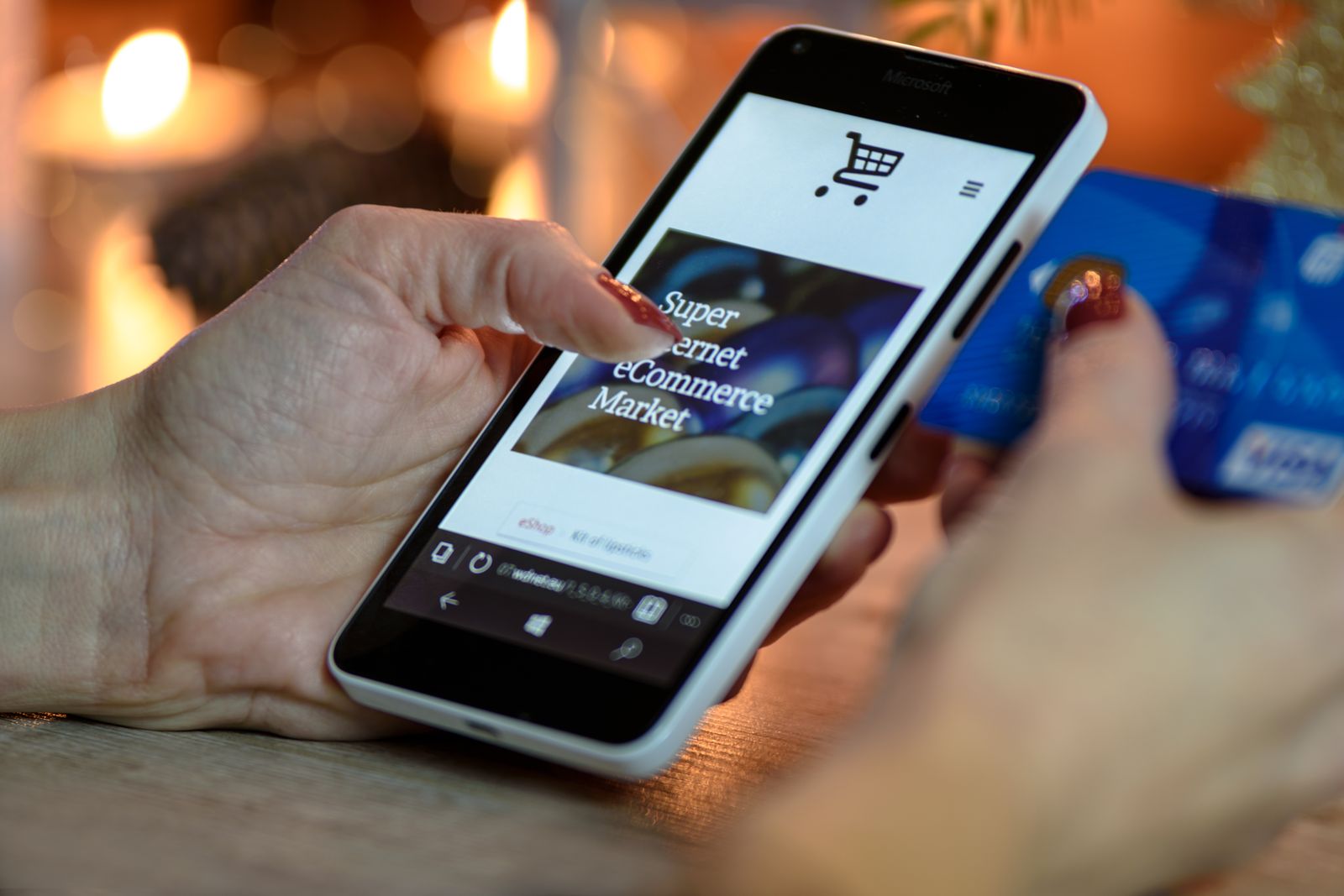
Dropshipping is a way of selling products online without buying any stock first. You put the products on your own website at your own prices. When a customer buys one, you buy it from your supplier, and the supplier sends it straight to your customer's door. You never see or touch the product.
This guide takes you through the seven things you need to do to start a dropshipping business in the UK, in the order you will come to them.
1. Choose what you are going to sell
Start with products you understand and can describe well, because your product pages are what sell them. Before you go any further, check that the supplier will deliver to the UK, and how long they say delivery takes. If a product takes weeks to arrive, your customers will chase you, cancel their orders and ask for their money back.
2. Choose the website your shop will run on
Your shop needs somewhere to live. You can build it yourself on Shopify, WooCommerce, Wix, Squarespace or BigCommerce, or you can have a company design and build it for you. Each one charges in a different way and includes different things, so it is worth comparing them before you choose.
Compare the shop websites side by side →
3. Choose where your products will come from
To get products from a supplier like AliExpress into your shop, you need a supplier app. The app copies the products into your shop, and when a customer pays, it sends the order to the supplier for you. DSers is the best-known app for AliExpress, and Avasam is one of the apps that works with UK suppliers. Before you pay for an app, check that it works with the website you chose in step 2.
See which supplier apps work with your shop →
4. Order a sample for yourself
Before you put a product on your website, buy one and have it delivered to your own door. You will see exactly what your customer will see: how good it is, how it is packed and how long it really takes to arrive. You can also take your own photographs of it, which makes your shop look different from everyone else selling the same thing.
Why you should order a sample first →
5. Set your prices so you make money
Out of every sale, you have to pay the supplier, the delivery, the card fee and, once you are registered for VAT, the VAT. What is left over is yours, and it has to cover the running costs of your shop each month before you make any profit. Our profit calculator works this out for you.
Work out your profit on each sale →
6. Register with HMRC when you need to
If you are working for yourself as a sole trader, you must register for Self Assessment once you earn more than £1,000 in a tax year, which runs from 6 April to 5 April. You must register for VAT once your sales over the last 12 months go over £90,000, or if you expect them to go over £90,000 in the next 30 days.
7. Know what your customers are entitled to
Even though the supplier sends the parcel, your customer bought it from you, so the law treats you as the seller. You have to tell customers they can cancel their order up to 14 days after it arrives, and you have to deliver within 30 days unless you have agreed a longer time with them. If something arrives faulty, the customer is owed a full refund, and that refund comes from you.