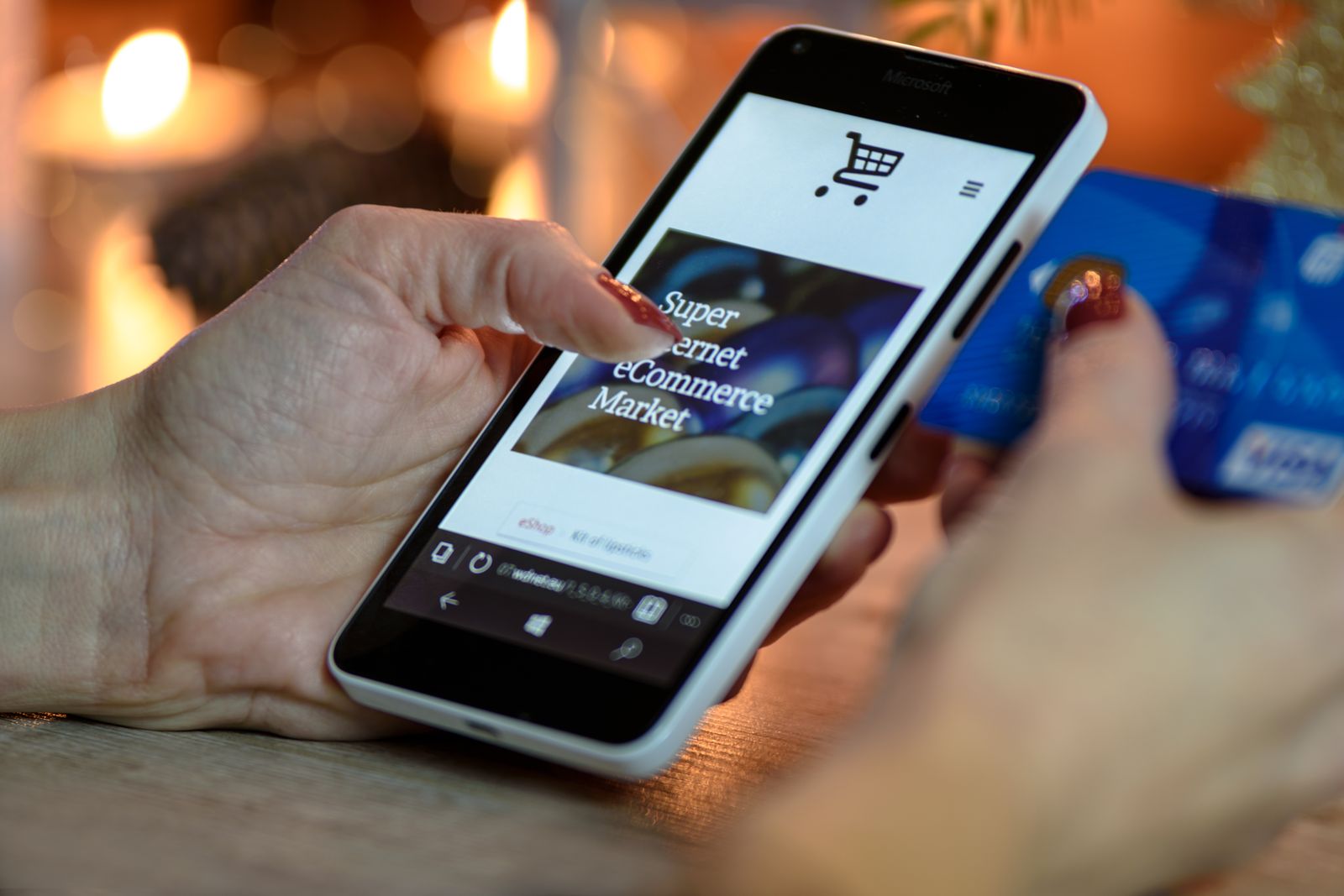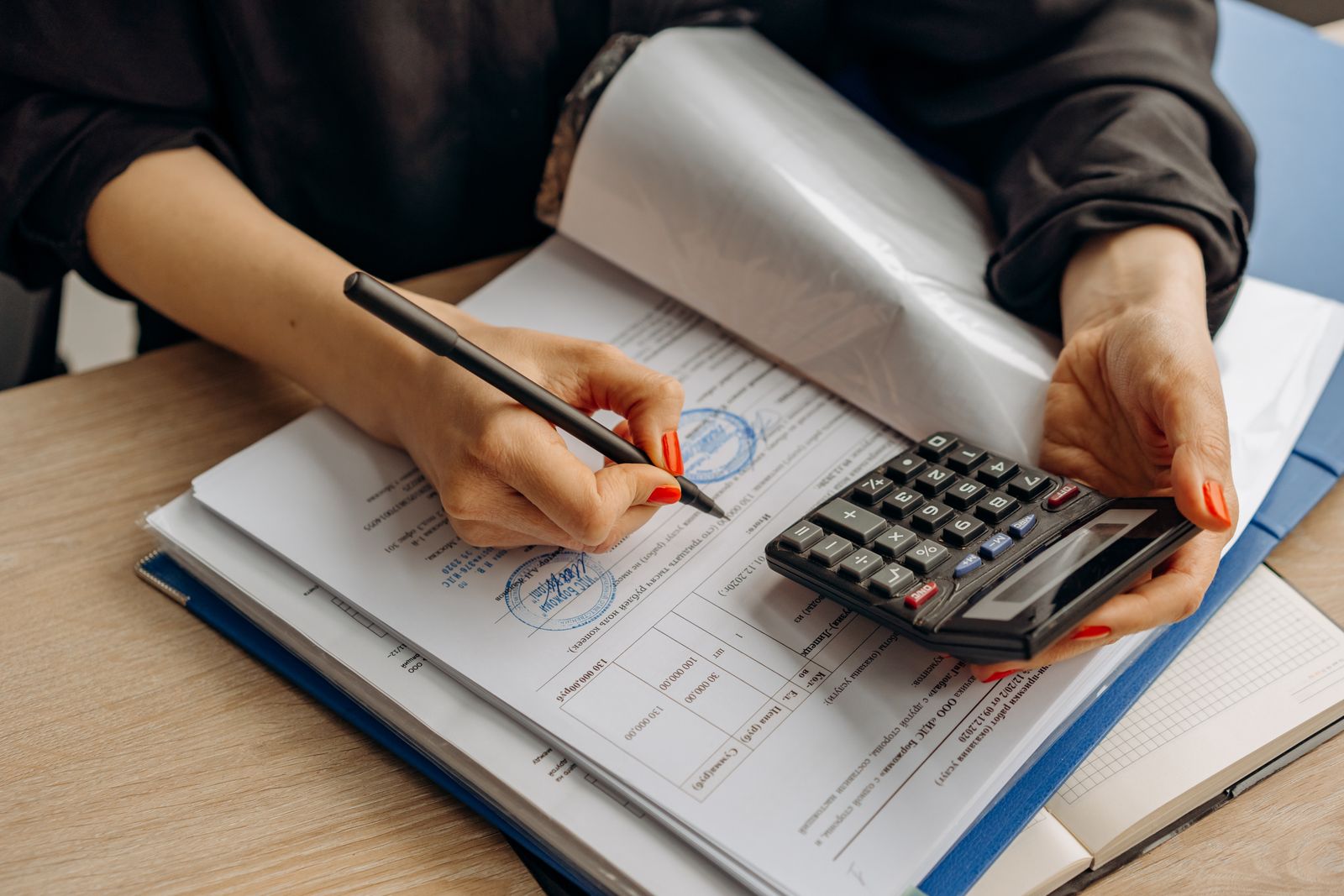
As a sole trader, you pay Income Tax on your profit, not on everything your customers pay you. The costs of running your shop, which HMRC calls allowable expenses, come off first. Knowing what counts means you don't pay more tax than you need to.
How it works
gov.uk gives the example of a business that takes £40,000 and has £10,000 of allowable expenses: it only pays Income Tax on the remaining £30,000. Your expenses go on your Self Assessment tax return.
What a dropshipping shop can usually claim
- What you pay your suppliers for the products you sell, which gov.uk counts as things you buy to sell on.
- Your website and advertising: your shop website, your supplier app and your ads.
- Phone and internet bills, for the business part of them.
- Software you pay for regularly.
- Bank and card charges, including the fees taken from your sales.
- Accountancy fees, if you pay someone to do your tax return.
Only the business part
gov.uk says you can only claim the business part of a cost. If you use your phone for both, you claim the share that is for the shop. Money you take out of the business for yourself isn't an expense.
Working from home
If you run the shop from home for 25 hours or more a month, you can claim a flat amount instead of working out your bills: £10 a month for 25 to 50 hours, £18 for 51 to 100 hours, and £26 for 101 hours or more. That doesn't include your phone and internet, which you claim separately.
The £1,000 allowance or your expenses, not both
Every sole trader can take £1,000 off their income instead of claiming expenses, called the trading allowance. gov.uk says you can't claim expenses if you use it. A dropshipping shop pays its suppliers for every order, so its expenses are usually far more than £1,000, and claiming them is usually worth more. Work out both before you decide.
Keep the receipts
Most sole traders now record income and expenses when the money actually comes in and goes out, which gov.uk calls the cash basis, and it is the standard way unless you choose otherwise. Keep every receipt and invoice for at least five years after the 31 January deadline for that year's return. Our sole trader guide covers the records you need.